
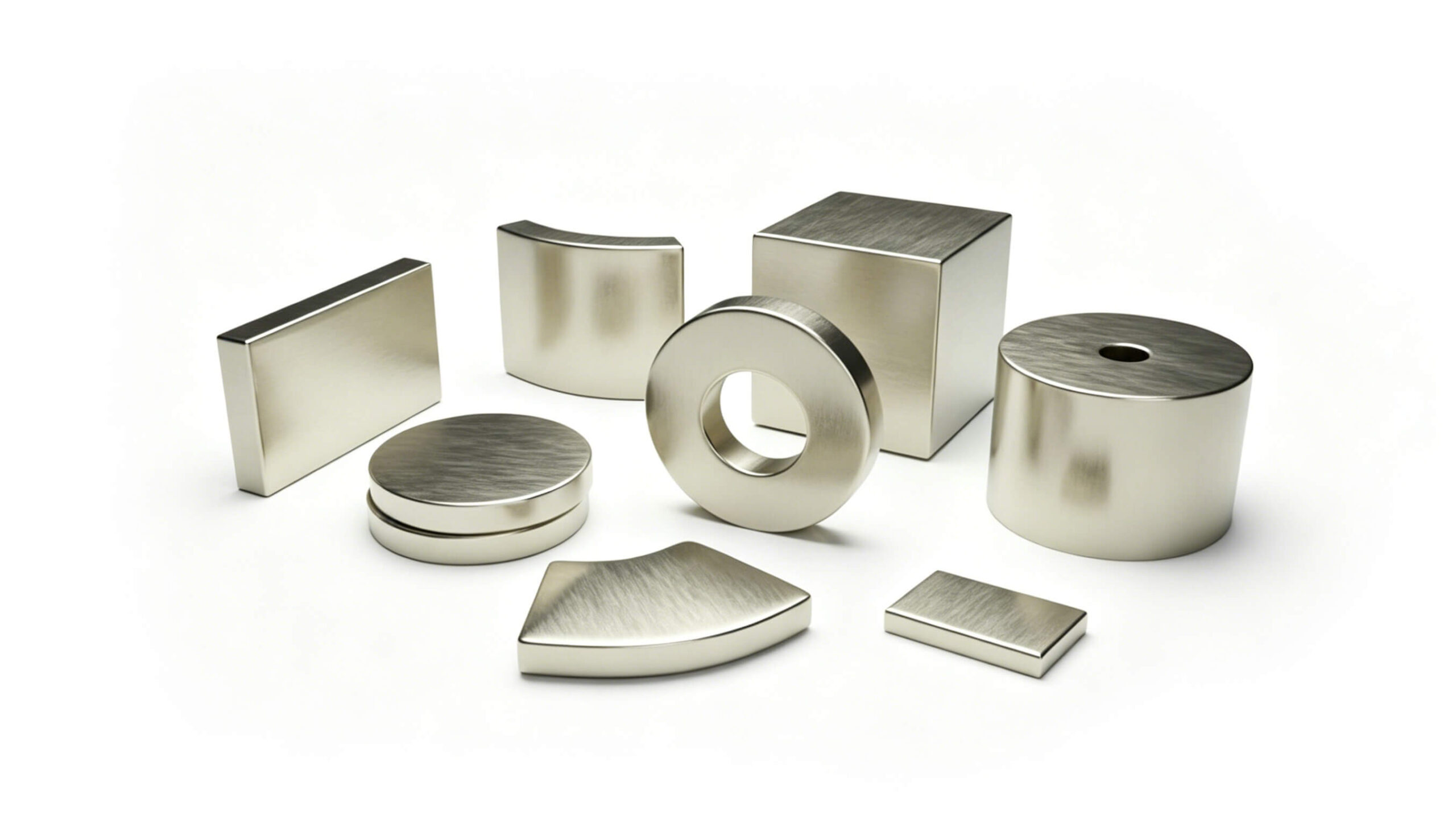
NdFeB magnets, also known as Neodymium Magnets, are the strongest permanent magnets available today. They play an essential role in modern industries because they deliver exceptional magnetic force in compact sizes.
From electric vehicles and robotics to medical devices and wireless charging systems, NdFeB magnets support high-performance applications that require strong magnetic power and space efficiency.
At Huajin Magnetics, we manufacture customized NdFeB magnet solutions for global OEM and industrial applications. This guide explains what an NdFeB magnet is, how it works, its advantages, applications, and how to choose the right magnet grade.
1. What Does NdFeB Mean?
NdFeB stands for:
- Nd — Neodymium
- Fe — Iron
- B — Boron
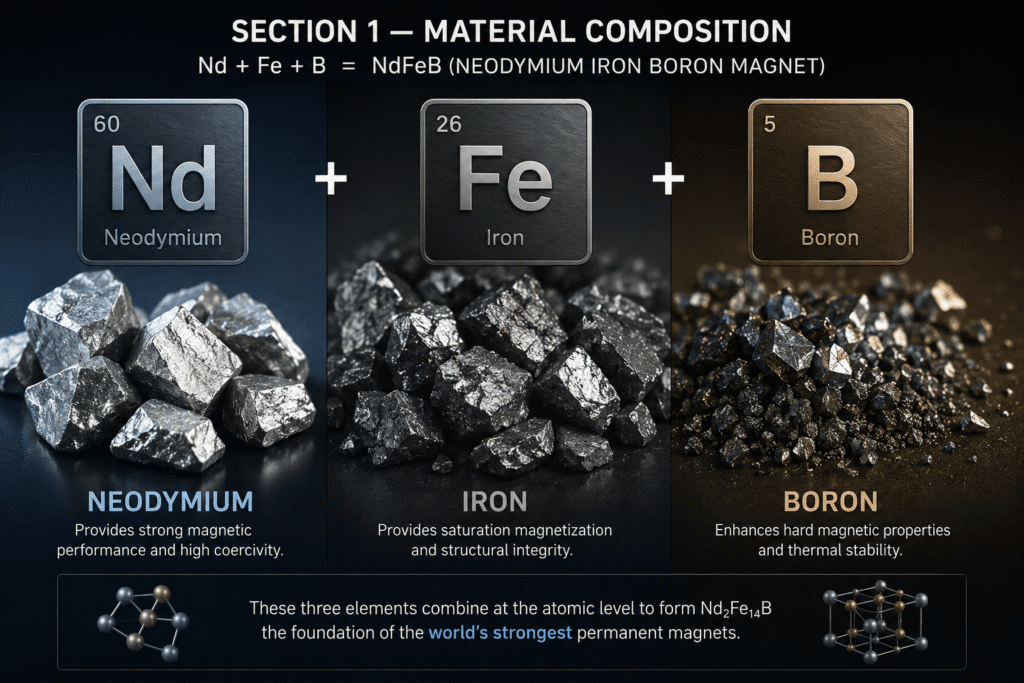
These three elements combine to create a powerful, rare-earth magnet with extremely high magnetic energy.
Because of their composition, NdFeB magnets are often called:
- Neodymium Magnets
- Rare Earth Magnets
- Permanent Magnets
NdFeB magnets belong to the rare earth magnet family and provide a much stronger magnetic force than ferrite or ceramic magnets.
2. How Are NdFeB Magnets Made?
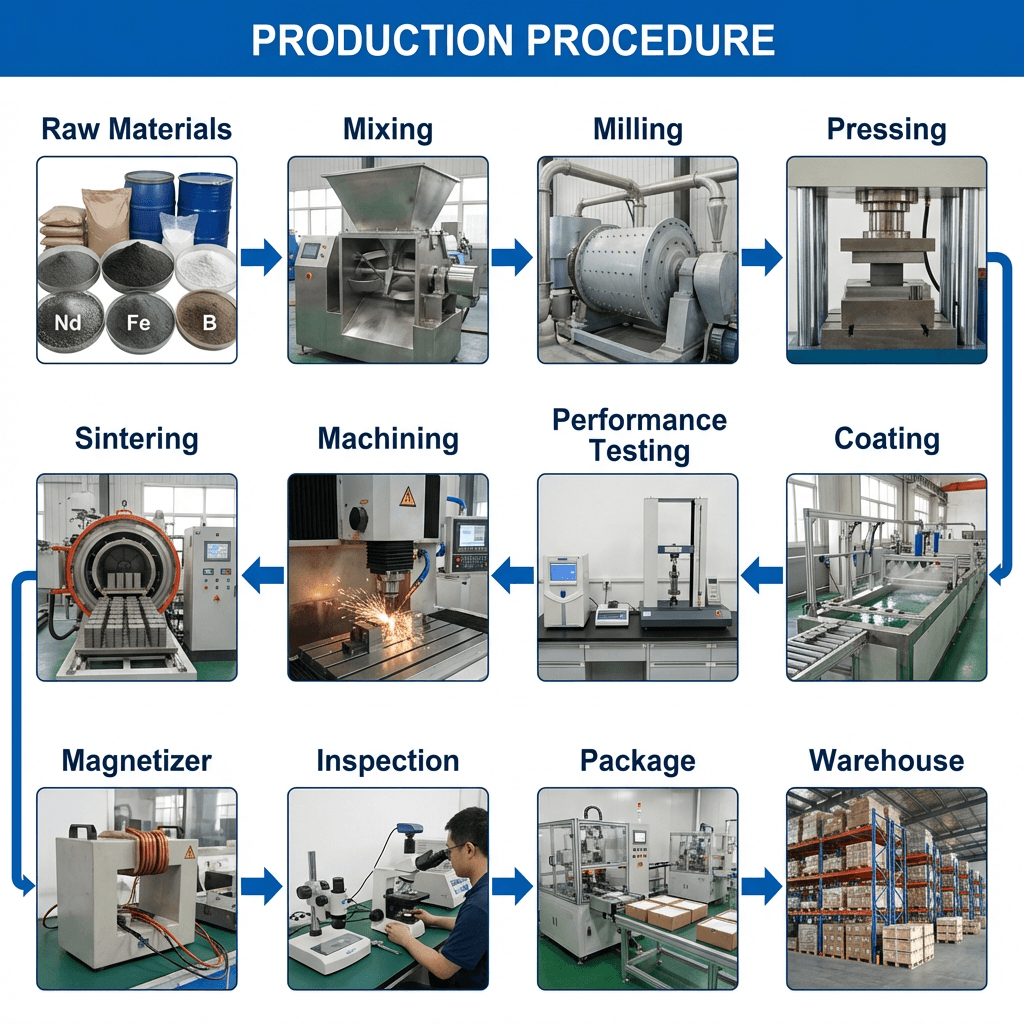
Manufacturers produce NdFeB magnets using advanced powder metallurgy technology.
The manufacturing process usually includes:
Raw Material Preparation
Neodymium, iron, and boron materials are melted and alloyed.
Powder Processing
Manufacturers grind the alloy into very fine powder.
Pressing and Forming
The powder forms under strong magnetic fields, aligning magnetic domains.
High-Temperature Sintering
The material undergoes sintering to improve density and magnetic performance.
Machining and Coating
Manufacturers cut, grind, and coat magnets for final use.
Common coatings include:
- Nickel coating
- Zinc coating
- Epoxy coating
- Gold coating
At Huajin Magnetics, we provide precision machining and customized coatings for industrial applications.
3. Why Are NdFeB Magnets So Strong?
NdFeB magnets deliver extremely high magnetic energy density.
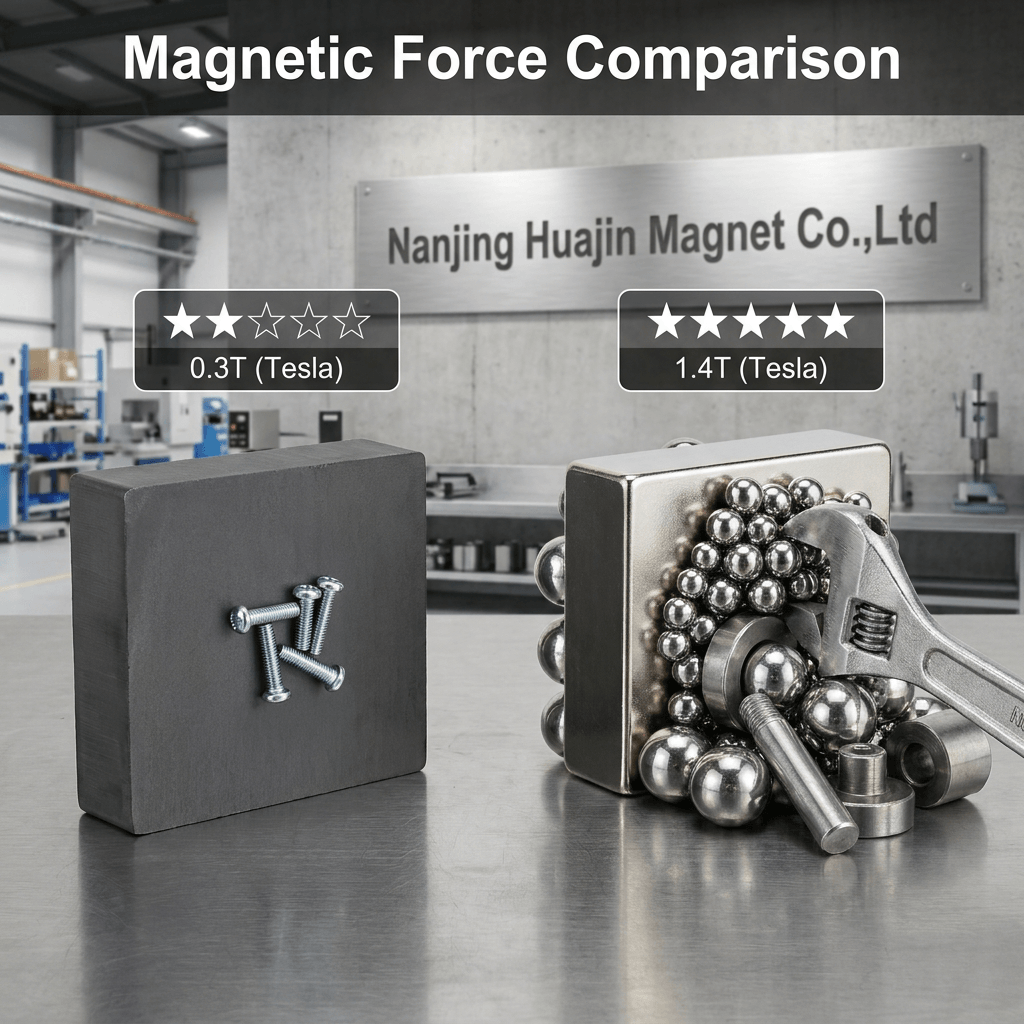
Compared with traditional ferrite magnets, NdFeB magnets can provide 5–10 times stronger magnetic force in the same volume.
Key reasons include:
- High magnetic energy product
- Strong magnetic domain alignment
- Excellent magnetic retention
- Compact material structure
This strong magnetic performance allows manufacturers to reduce product size without sacrificing power.
That is why many industries choose NdFeB magnets for miniaturized and high-efficiency designs.
4. Key Advantages of NdFeB Magnets
Ultra-Strong Magnetic Force
NdFeB magnets offer the highest magnetic strength among permanent magnets.
Compact Size
Small magnets can generate a powerful magnetic force. This helps reduce equipment size and weight.
Excellent Cost Performance
Compared with SmCo magnets, NdFeB magnets often provide better value for many industrial applications.
Wide Customization Options
Manufacturers can customize:
- Shape
- Size
- Magnet grade
- Surface coating
- Magnetization direction
5. NdFeB Magnet Grades Explained
Different applications require different magnetic performance.
NdFeB magnets come in grades such as:
- N35
- N42
- N52
- H Grade
- SH Grade
- UH Grade
- EH Grade
Higher grades usually offer:
- Stronger magnetic force
- Better temperature resistance
Choosing the right grade helps improve long-term reliability.
6. What Temperature Can NdFeB Magnets Withstand?
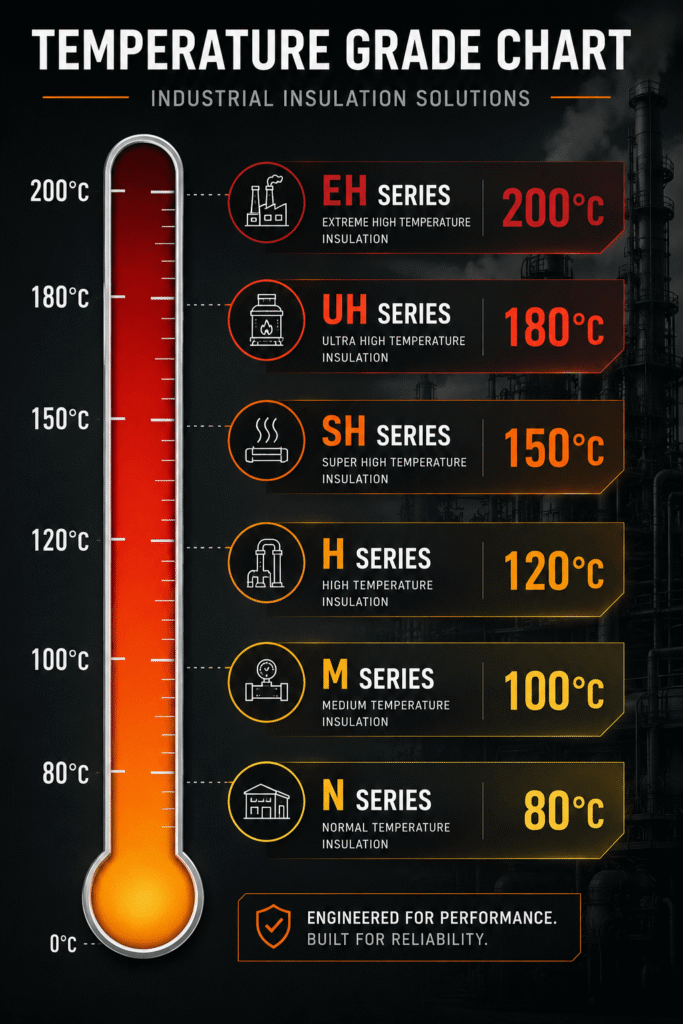
Temperature resistance depends on the magnet grade.
Typical operating temperatures include:
| Magnet Grade | Max Temperature |
|---|---|
| N | 80°C |
| M | 100°C |
| H | 120°C |
| SH | 150°C |
| UH | 180°C |
| EH | 200°C |
High-temperature NdFeB magnets are common in EV motors, industrial automation, and aerospace equipment.
7. Common Applications of NdFeB Magnets
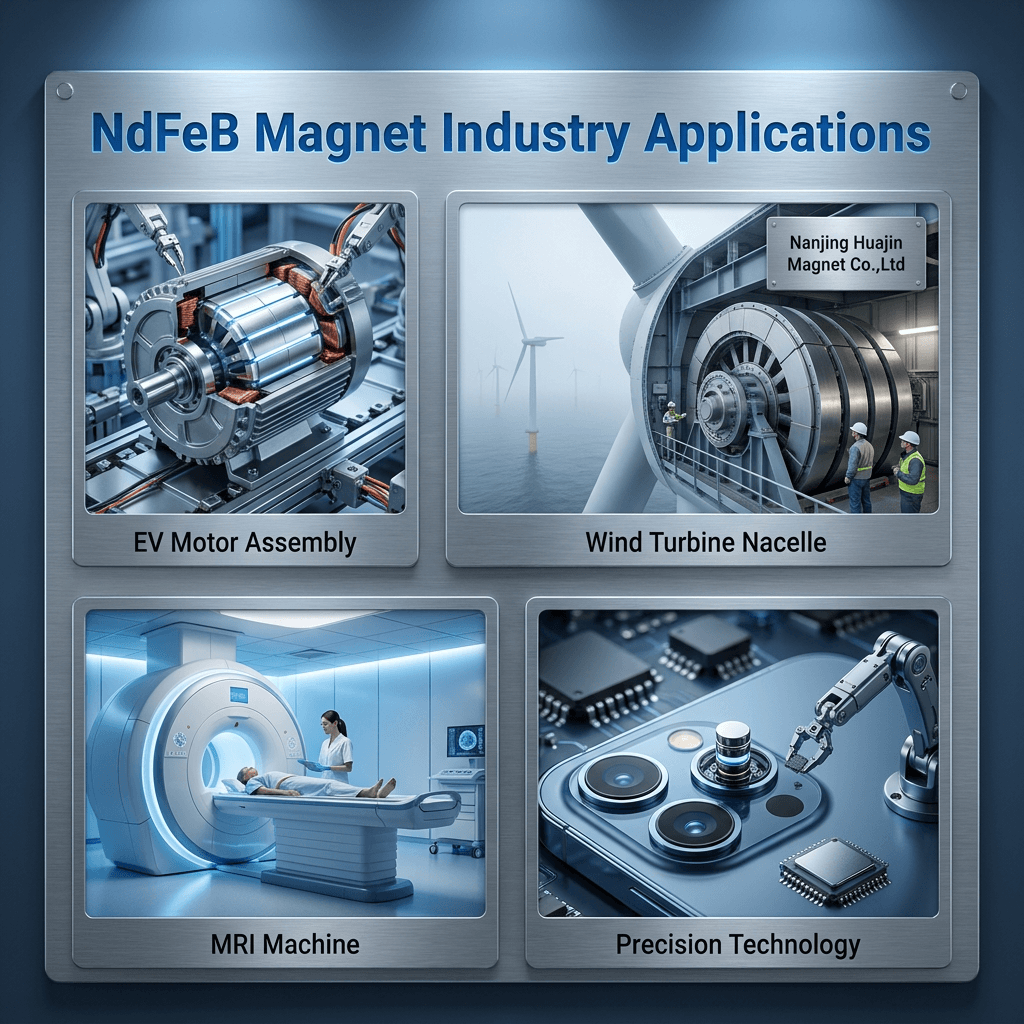
NdFeB magnets support a wide range of industries.
Electric Vehicles
High-performance motors rely on NdFeB magnets for compact power.
Wind Turbines
Generators use strong magnetic force to improve efficiency.
Consumer Electronics
Smartphones, speakers, and wireless charging systems use compact neodymium magnets.
Medical Equipment
MRI systems and medical devices require stable magnetic performance.
Industrial Automation
Robotics and precision sensors use NdFeB magnets for accurate movement control.
8. NdFeB Magnets vs Ferrite Magnets
Compared with ferrite magnets, NdFeB magnets provide:
| Feature | NdFeB Magnet | Ferrite Magnet |
|---|---|---|
| Magnetic Strength | Very High | Moderate |
| Size Efficiency | Excellent | Larger Size Needed |
| Cost | Higher | Lower |
| Corrosion Resistance | Needs Coating | Naturally Resistant |
| Temperature Resistance | 80°C–200°C | Up to 250°C |
For high-performance industrial systems, NdFeB magnets are often the preferred choice.
Conclusion
NdFeB magnets are powerful rare-earth magnets made from neodymium, iron, and boron. They offer exceptional magnetic force, compact size, and strong cost-performance advantages.
Because of their superior performance, NdFeB magnets play a vital role in electric vehicles, automation, renewable energy, medical devices, and consumer electronics.
If you are looking for reliable NdFeB magnet solutions, Huajin Magnetics can support your project with customized manufacturing and engineering expertise.