
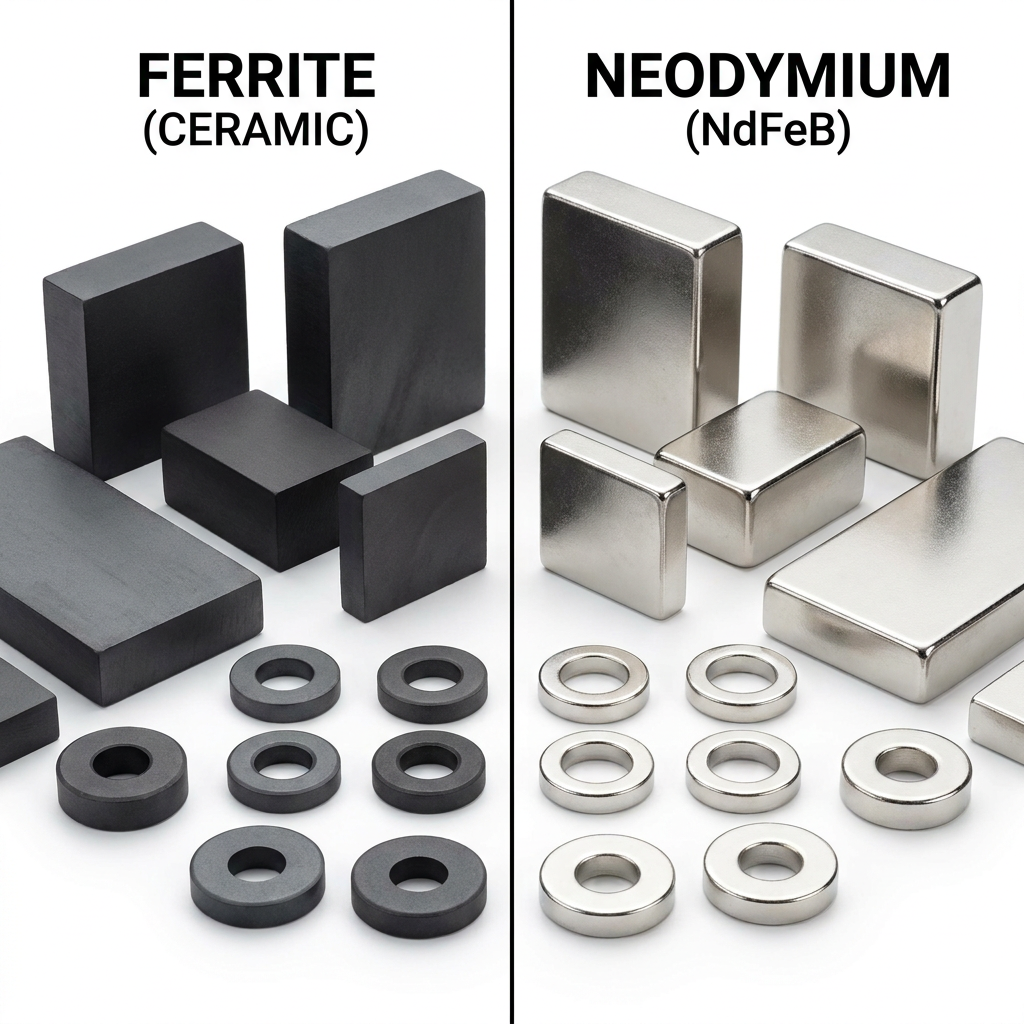
Magnets play an essential role in modern industry, from household products to advanced industrial systems. Among the many types of magnets, rare-earth magnets and regular magnets are most commonly compared. Understanding their differences helps manufacturers, engineers, and buyers select the right magnetic solution for specific applications.
At Huajin Magnetics, we specialize in high-performance NdFeB magnet solutions for global industrial applications. This guide explains the key differences between rare earth magnets and regular magnets in terms of materials, strength, durability, cost, and industrial use.
1. Material Composition and Manufacturing
Regular Magnets
Regular magnets are typically made from iron-based materials such as ferrite, steel, or common ferromagnetic alloys. These magnets are widely used because the raw materials are abundant and the manufacturing process is relatively simple and cost-effective.
Common regular magnets include:
- Ferrite magnets
- Ceramic magnets
- Alnico magnets
These magnets are suitable for general-purpose applications where ultra-high magnetic performance is not required.
Rare Earth Magnets
Rare-earth magnets are manufactured using alloys containing rare-earth elements such as neodymium, samarium, and cobalt, as well as iron and boron. These magnets require advanced production technology, including precision alloying and high-temperature sintering processes.
The two major types of rare earth magnets are:
- Neodymium Magnets (NdFeB) — made from neodymium, iron, and boron
- Samarium Cobalt Magnets (SmCo) — made from samarium and cobalt
Because of their complex manufacturing process and premium raw materials, rare earth magnets deliver significantly stronger magnetic performance than traditional magnets.
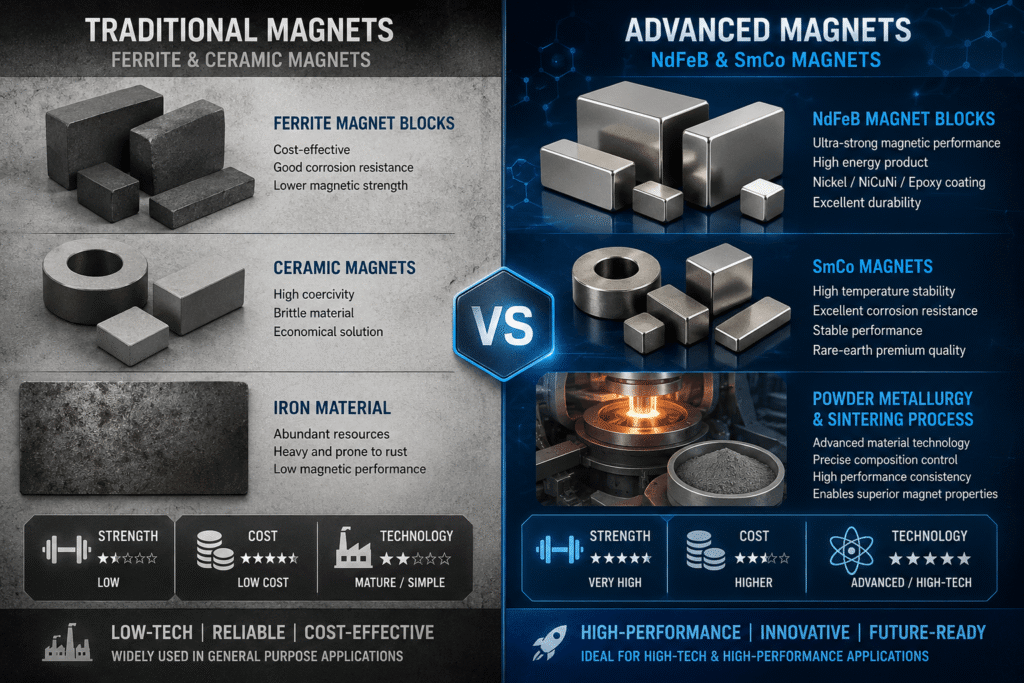
2. Magnetic Strength
Regular Magnets
Regular magnets provide a moderate magnetic force and are suitable for low-power applications. To achieve stronger magnetic fields, larger magnet sizes are usually required.
Rare Earth Magnets
Rare earth magnets are the strongest permanent magnets available today.
Especially NdFeB magnets, which can generate a magnetic force many times stronger than regular magnets of the same size. Their exceptional magnetic energy makes them ideal for compact, high-performance industrial systems.
Key advantages include:
- Extremely high magnetic strength
- Excellent magnetic retention
- Strong resistance to demagnetization
- Reliable performance in demanding environments
This is why rare earth magnets are widely used in electric motors, automation systems, medical devices, and renewable energy equipment.
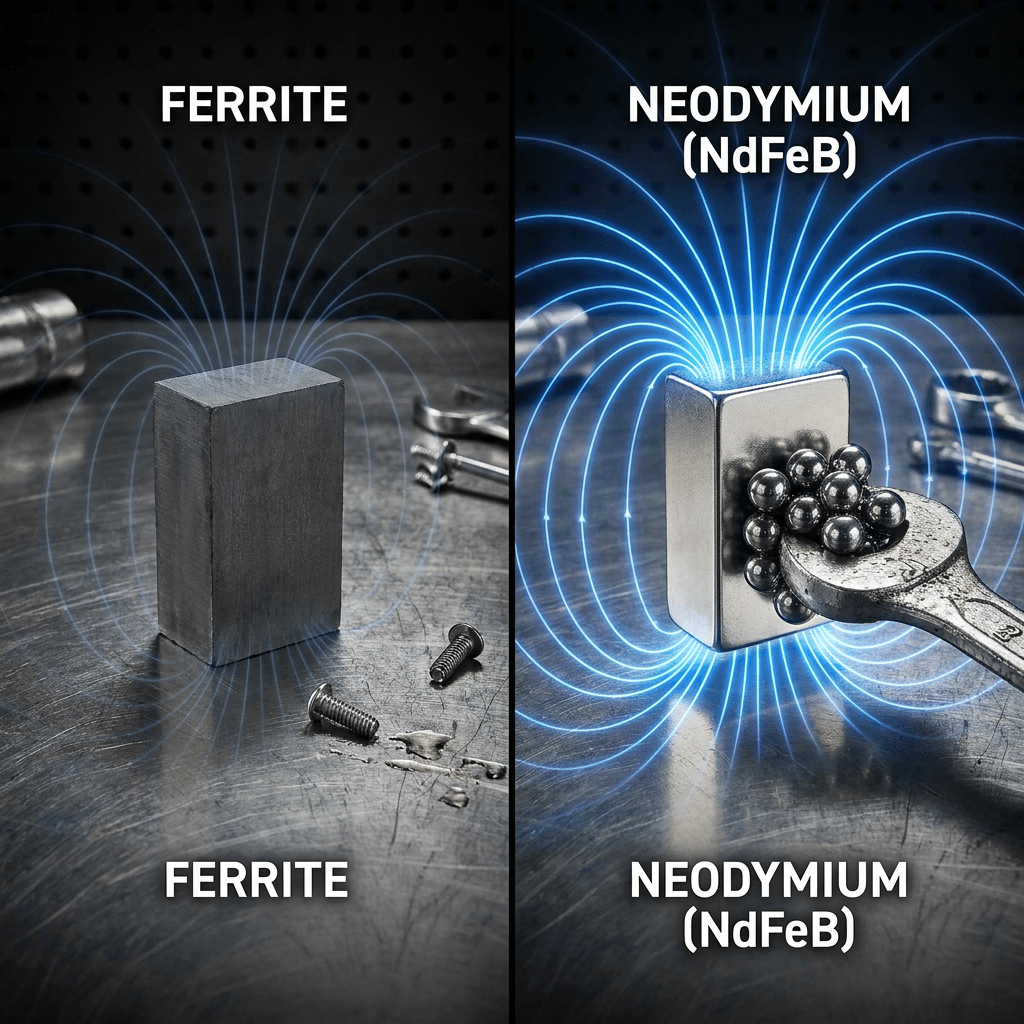
3. Size and Weight Advantages
Regular Magnets
Due to lower magnetic strength, regular magnets must often be larger and heavier to achieve the desired performance.
Rare Earth Magnets
Rare earth magnets provide stronger magnetic force in a much smaller size.
This compact advantage allows engineers to design:
- Smaller motors
- Lightweight equipment
- High-efficiency electronic devices
- Precision sensors
Miniaturized designs are especially important in industries such as robotics, consumer electronics, aerospace, and electric vehicles.
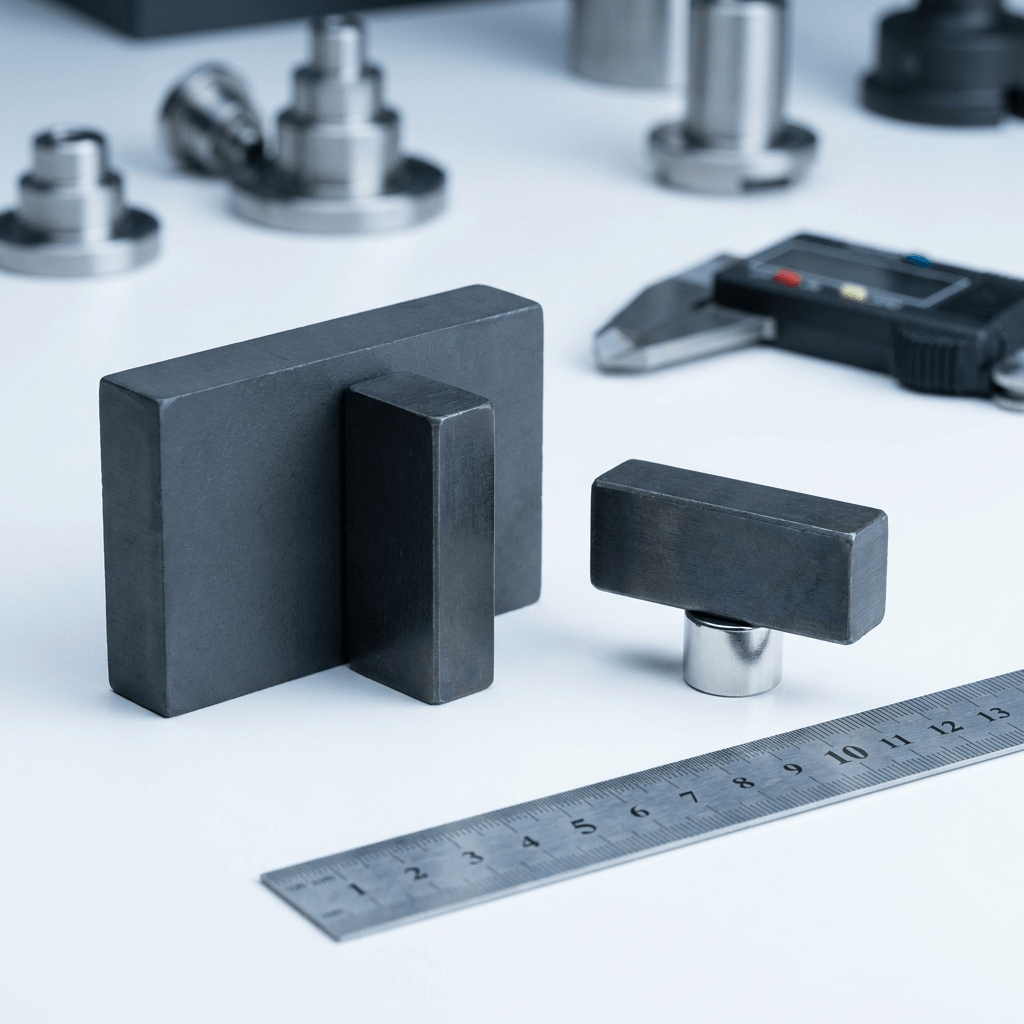
4. Temperature Resistance
Regular Magnets
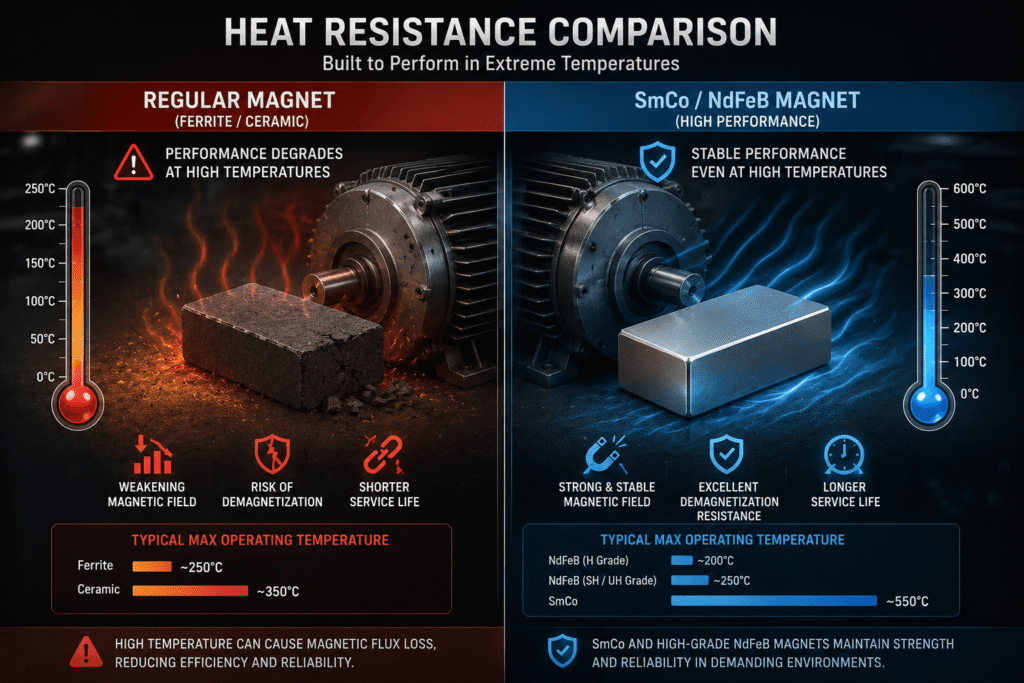
Traditional magnets generally lose magnetic performance at elevated temperatures. Once the Curie temperature is exceeded, permanent demagnetization may occur.
Rare Earth Magnets
Different rare earth magnets offer different temperature capabilities:
- SmCo magnets provide outstanding high-temperature resistance and can operate in environments up to 300°C.
- NdFeB magnets typically operate between 80°C and 200°C, depending on grade and coating.
At Huajin Magnetics, we provide customized NdFeB magnet grades for high-temperature industrial applications.
5. Corrosion Resistance
Regular Magnets
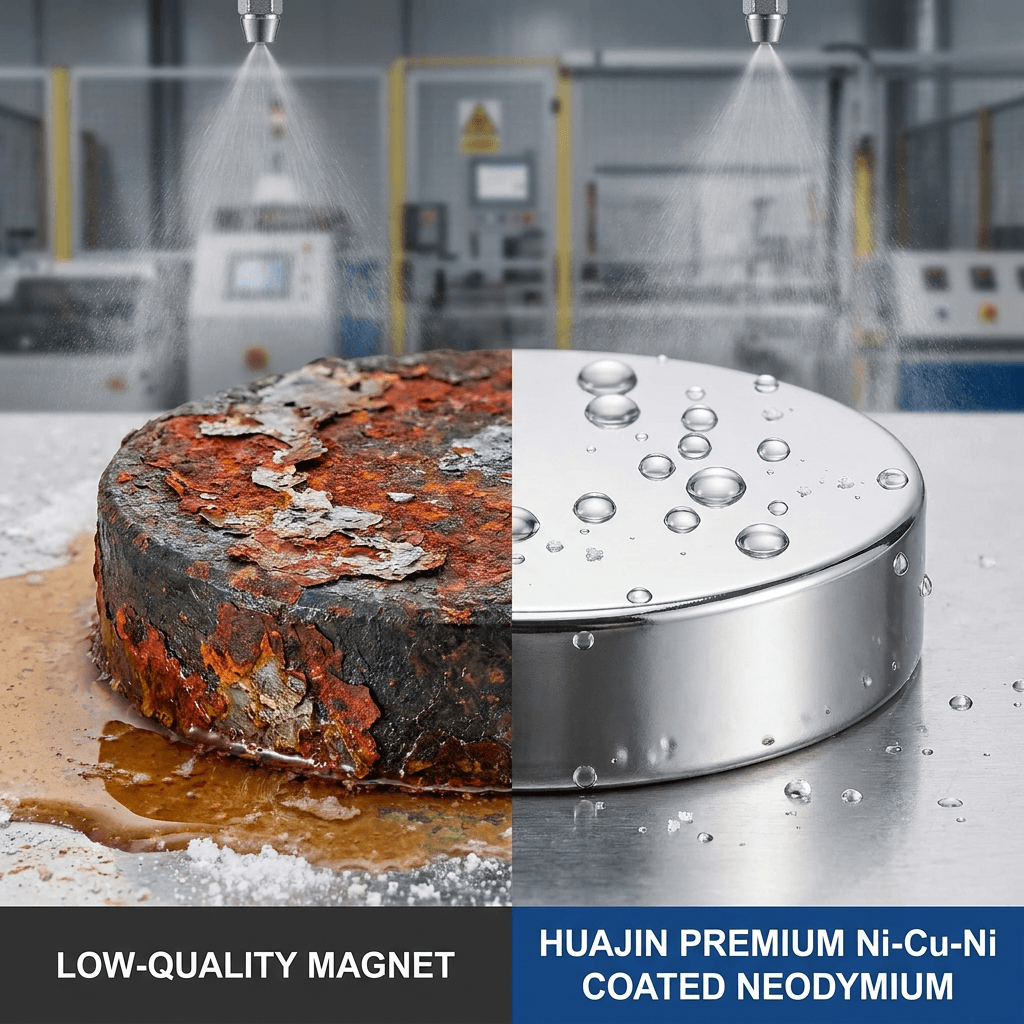
Iron-based magnets are prone to rust and oxidation when exposed to moisture or harsh environments.
Rare Earth Magnets
SmCo magnets naturally offer excellent corrosion resistance.
NdFeB magnets, while extremely powerful, are more susceptible to corrosion and therefore usually require protective surface coatings such as:
- Nickel coating
- Zinc coating
- Epoxy coating
- Gold coating
Proper coating selection significantly improves durability and service life.
6. Cost Comparison
Regular Magnets
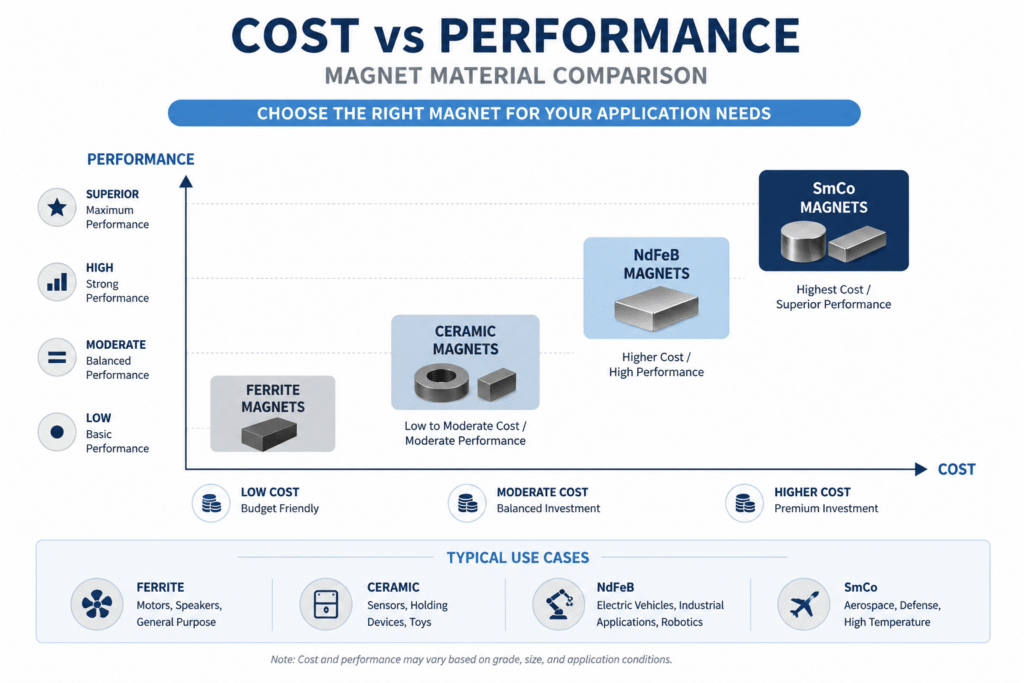
Regular magnets are more economical because their raw materials are inexpensive and widely available.
They are ideal for:
- Consumer products
- Toys
- Simple magnetic holders
- Low-cost electrical devices
Rare Earth Magnets
Rare earth magnets are more expensive due to:
- Scarcity of rare earth elements
- Advanced manufacturing processes
- Higher performance specifications
However, their superior strength, compact size, and long-term reliability often provide better overall value for industrial and engineering applications.
7. Industrial Applications
Applications of Regular Magnets
Regular magnets are commonly used in:
- Refrigerator magnets
- Basic electric motors
- Educational products
- Magnetic tools
- Household applications
Applications of Rare Earth Magnets
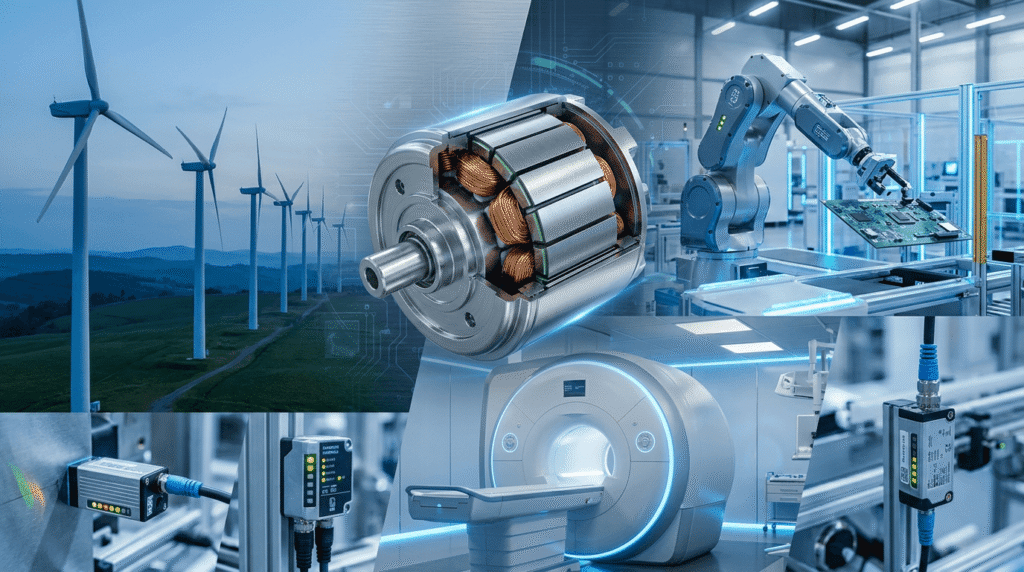
Rare earth magnets are essential in advanced industrial technologies, including:
- Electric vehicle motors
- Wind turbines
- Industrial automation systems
- Medical equipment
- MRI systems
- Hard disk drives
- Robotics
- Aerospace systems
- Audio equipment
- Sensors and precision instruments
Their high efficiency and compact performance make them indispensable in modern engineering.
Why NdFeB Magnets Are the Preferred Choice for Industry
Among all rare earth magnets, NdFeB magnets are currently the most widely used due to their exceptional magnetic strength and cost-performance ratio.
Key benefits include:
- High magnetic energy density
- Compact size
- Strong holding force
- Excellent machining flexibility
- Wide industrial applicability
At Huajin Magnetics, we manufacture customized NdFeB magnets for industries worldwide, supporting OEM and ODM projects with stable quality and fast delivery.
Conclusion
Choosing between regular magnets and rare earth magnets depends on the performance requirements of your application.
Regular magnets are suitable for low-cost and general-purpose use, while rare earth magnets provide superior strength, compactness, durability, and efficiency for advanced industrial systems.
For high-performance industrial applications, NdFeB magnets remain the preferred solution across automotive, electronics, medical, renewable energy, and automation industries.
If you are looking for reliable custom magnet solutions, Huajin Magnetics offers professional manufacturing support, custom designs, and global supply capabilities for your business needs.